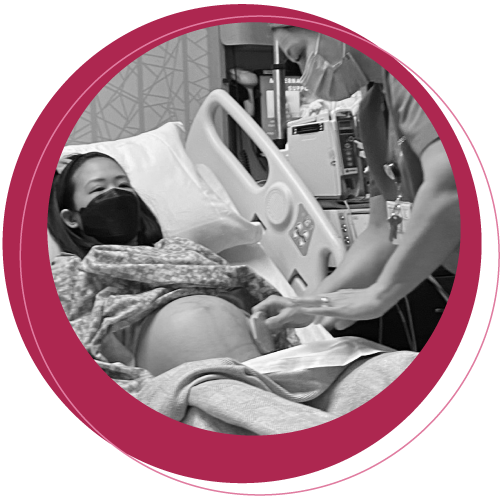
Diagnosis and treatment of pelvic pain require a provider who is willing to put effort into listening to, understanding, and improving the lives of his patients.
Book an appointment at Whasn West Valley and we can walk you through the process.
Pelvic pain
Pelvic pain is a general term used to describe lower abdominal pain which can vary significantly from one patient to another.
Pelvic pain may be acute or chronic and may be present all the time or intermittent, such as during sex or menstruation.
The pain must last six months or longer for Dr. Swainston to diagnose it as chronic pelvic pain. Some acute causes of pelvic surgery need immediate treatment.
How is pelvic pain diagnosed?
The best way to determine the cause of pelvic pain is through comprehensive medical history, physical examination, and diagnostic testing, which may include ultrasound, lab work, and other testing.
What are the risks and benefits of surgery?
Inherent risk accompanies all operations, primarily associated with the use of general anesthesia. However, the minimally-invasive procedures offered by WHASN West Valley are low-risk in comparison to traditional, invasive surgeries and provide a more comfortable patient experience and faster recovery.
WHASN West Valley only recommends surgery when he believes the benefits outweigh the risks.
The doctor and the team clearly explain the procedure, the potential benefits, and the risks associated to empower each patient to make the most educated decision possible.
We offer Minimally Invasive Surgery, Robotic Surgery, and Fibroids. Call us to book your appointment today.
For more information call the office of WHASN West Valley or book an appointment today.